
Home > Blog
Blog
博客页 - 描述
Hot Post
NEW Post
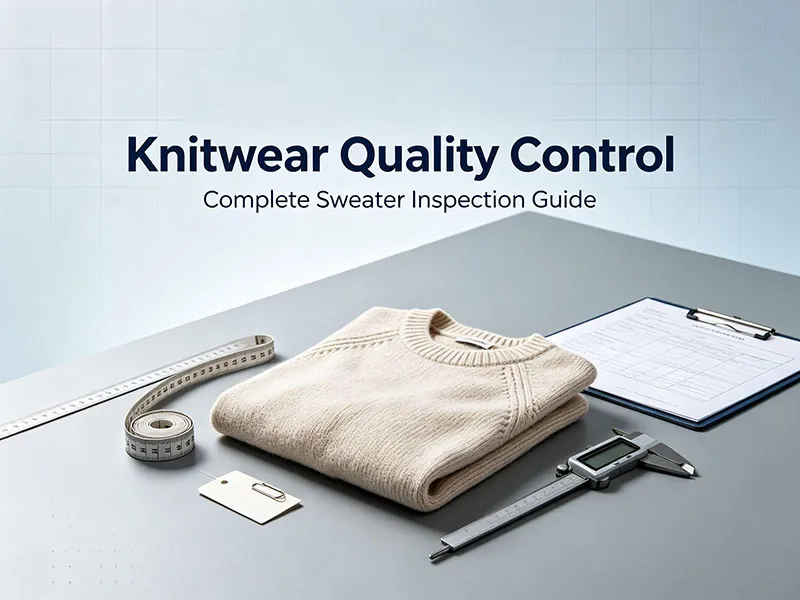
Knitwear Quality Control: Complete Sweater Inspection Guide
October 17th, 2026Subtitle:Sweater Manufacturer AQL 2.5, Torquing Prevention, Gauge‑Specific Checks, and Tolerances That Hold Up on the Measuring Table In cross-border knitwear sourcing and custom production, your Quality Control (QC) setup isn't just an inspection checkpoint—it’s the single biggest factor dictating your brand’s margin and survival. Unlike standard wovens, fully-fashioned knits are built loop by loop. Variable yarn tension, moisture regain, unpredictable relaxation shrinkage, and complex panel linking make knitwear inherently dynamic on the factory floor. Over the years, as a professional sweater manufacturer I’ve seen too many brands watch their profits burn over preventable finishing errors: distorted necklines, twisted side seams, premature pilling, or a dropped loop that unravels an entire panel in transit. Left unchecked at the mill, these micro-defects land squarely on the retail side—driving up return rates, damaging retailer relationships, and triggering costly chargebacks. To protect your shipments, we’ve broken down our factory-floor inspection framework into a practical playbook for international sourcing directors, technical designers, and buyers. Below is a breakdown of the core operational protocols covered in this guide: Why standard woven inspections fail on knitwear: How yarn mechanics, gauge tension, and structural elasticity force a completely different inspection approach. The five defects that actually cost you money – and how we stop them: Root causes and real-world countermeasures for spiralling, pilling, shading, and open seams before bulk packing. AQL 2.5/4.0 – thresholds that actually get used: A breakdown of sampling sizes, defect classification (Critical, Major, Minor), and pass/fail rules on the measuring table. Gauge-specific checks: 3GG is not 12GG: Tailoring inspection parameters to match the structural risks of coarse-gauge chunkies versus fine-gauge knits. Measurement POMs and the tolerance trap: Practical flat-lay protocols and realistic tolerance sheets that eliminate stretch disputes between buyers and factory QC teams. Tech Pack must-haves + handling third-party inspectors (SGS/ITS/BV): Aligning your spec sheets and factory SOPs to guarantee clean third-party field reports and zero-defect deliveries. Whether you're an established private-label brand scaling up seasonal bulk orders or a sourcing engineer tightening up your supplier quality agreement, this guide outlines the exact protocols needed to de-risk your knitwear supply chain from cone to carton. Why standard woven inspections fail on knitwear If your QC team uses a woven‑garment checklist on sweaters, you’re effectively writing off a percentage of your order before it leaves the factory. Wovens are cut from stable cloth; knits are loops that move. Tension, moisture regain, and yarn twist behave differently on every batch. I’ve personally watched S‑twist yarns wreck a 12GG production run in our Guangzhou facility simply because the steaming cycle wasn’t adjusted for that specific lot. The side seams spiralled so badly we had to pull the whole batch at the lightboard. The structural shift is simple: a broken thread in a woven stays local; a dropped loop in a knit can ladder the entire panel. So we measure different things: Tension & stress release – if the knitting stress isn’t steamed out, the garment shrinks or twists in the first home wash. Moisture regain – batch‑to‑batch humidity changes shift finished dimensions more than most buyers realise. Torquing – unbalanced single‑ply twist creates that ugly spiral effect. You can’t iron it out, and you can’t press it flat. We run three dynamic tests on every style: neck/cuff recovery (stretch it and see if it snaps back), light‑board scanning (every piece, no exceptions), and shade matching under D65/TL84 before linking. That last one catches dye‑lot mismatches that would otherwise only show up after packing. The five defects that actually cost you money – and how we stop them Defect What causes it Our fix on the floor Torquing / seam twist Over‑twisted yarn or uneven steam setting Pre‑knit reaming to relax twist; we slow the feed tension on the machine if the yarn feels tight; high‑temp steam set after knitting Pilling Short‑staple fibres or too much softener in the wash Switch to long‑staple/combed yarn; run a Martindale test at sample stage – if it scores below 3.5, we don’t cut Dropped stitches / holes Worn latch needles or poor linking Daily needle changes; 100% light‑board scan – zero tolerance. One hole, out of the shipment. Shading / dye‑lot variation Different dye batches or unstable vat temp Strict dye‑lot control; we hold back trims and body panels until they’re matched side‑by‑side under the lightbox Wash‑induced shrink No pre‑shrink allowance or mismatched blend rates Build 3‑5% shrink into the knitting programme; wash‑test the pilot sample and adjust before bulk Here’s a dirty little secret that doesn’t make it into the textbooks: some factories over‑stretch the rib during finishing just to hit the chest measurement on the table. That rib snaps back in transit, and suddenly your spec sheet is worthless. We check the relaxed state specifically to catch that – not the stretched number the production line wants to show you. AQL 2.5/4.0 – thresholds that actually get used We run General Inspection Level II for final random inspection. Critical defects are AQL 0 – one broken needle or a missing fibre label and the whole order stops. For a 2,000‑piece order, we pull 125 pieces. If we find 7 Majors and 10 Minors, the batch rolls. If Majors hit 8, we reject it on the spot. No debate. Real‑world classification (knits only): Major – dropped stitch, open linking seam, side‑seam twist >3%, measurement out of spec, obvious shading. Minor – loose thread >1cm inside, misplaced hang‑tag, light press mark. I’ve had third‑party inspectors flag a 2cm length difference on a heavy 5GG cable knit. We stopped the inspection, let that sweater relax flat for the full 24 hours, and re‑measured. It came back within tolerance. They signed the field report. That’s why we always build a relaxation hold into the FRI schedule – and we insist the inspector watches the re‑measure. Gauge‑specific checks: 3GG is not 12GG Coarse (3‑5GG) – gravity is your enemy. We never hang these; we measure after 24 hours flat. Linking strength gets a hard pull test at the shoulder. Mid (7‑9GG) – torquing and rib recovery are the trouble spots. We check side‑seam twist (must be ≤3%) and stretch neck/cuffs to verify snap‑back. If the rib doesn’t return, we add spandex in the next run. Fine (12‑14GG) – micro‑holes and density. 100% lightboard scan; we use a density glass to check courses and wales per inch and hold ±3% across the batch. Measurement POMs and the tolerance trap Never measure straight out of the polybag. That’s a rookie mistake that costs buyers thousands in false chargebacks. Our protocol: flat‑lay for 2‑4 hours (24 hours for coarse gauges), no stretching, non‑stretch steel tape. Core POMs we actually use: Body length – HPS to hem (including rib) Chest width – half measure, 1” below armhole Shoulder – seam to seam Sleeve length – from CB neck to cuff Neck width/depth – at seam and from back neck to front dip Tolerance sheet (by gauge): POM Fine (12‑14GG) Mid (7‑9GG) Coarse (3‑5GG) Heavy texture Body length ±1.0 cm ±1.2 cm ±1.5 cm ±2.0 cm Chest (half) ±0.8 cm ±1.0 cm ±1.5 cm ±1.5 cm Shoulder ±0.8 cm ±1.0 cm ±1.2 cm ±1.5 cm Sleeve ±1.0 cm ±1.2 cm ±1.5 cm ±2.0 cm Neck ±0.5 cm ±0.8 cm ±1.0 cm ±1.0 cm If the yarn has high spandex content, we add 0.3‑0.5cm on horizontal measures – but we flag that in the Tech Pack before production, never after the fact. Tech Pack must‑haves + handling third‑party inspectors (SGS/ITS/BV) Over 40% of disputes we mediate come down to one thing: the Tech Pack doesn’t specify the relaxed state. Yours must include: Yarn blend and count (e.g. 2/28NM) plus dye method Gauge and stitch structure, with a max float‑length limit A clear POM diagram – not just text Pantone reference and light‑source priority (D65 > TL84) Label position, thread spec, and packing details Performance numbers: pilling ≥3.5, colourfastness ≥4, shrink ≤3% For the 3rd‑party inspector: we give them a dedicated table, lightbox, and lightboard. The checklist they use must match the approved PP sample to the letter – no last‑minute tolerance changes. If they flag an out‑of‑spec measurement, our QC lead has the right to stop the process, re‑relax the piece, and re‑measure on the spot. We photograph the disputed point, sign the field report together, and keep a sealed sample for appeal. Final word (straight to the point) Knitwear quality isn’t inspected in at the end – it’s built into the yarn tension, the relaxation time, and the gauge‑specific checkpoints. If your Tech Pack doesn’t already specify the relaxed state and the recovery test, we’ve got a gap to close before we cut a single cone of yarn. If you’re sourcing knitwear and want a partner who runs these protocols daily – and who will flag the risks before they become chargebacks – send your Tech Pack over. Our technical team will give you a no‑cost feasibility read, a tolerance sample to check our finishing standards, and a supply‑chain risk review specific to your next season.
Read More
Summer Knitwear: Why Cotton Isn’t Your Go-To (And What Actually Works)
September 20th, 2026Here’s the thing—as a sweater manufacturer,I’ve sat through countless summer product post-mortems where brands bet on “100% cotton” as a safe choice. On paper, it checks out: soft, breathable, hypoallergenic. For dry days, commuting, or lazy afternoons? Cotton works. No debate. But step into humidity—a trail, hot yoga, or a July music festival—and that cozy cotton becomes a sweat-soaked sponge. Heavy, clingy, and guaranteed to leave you with a clammy chill, even in 85°F heat. That’s the “comfort trap” brands miss. Cotton soaks up 20x its weight in moisture, but can’t push sweat out. It stays wet, sticks to your skin, and defeats the point of a “summer shirt.” I once helped a small outdoor brand fix their failed cotton hiking tees by switching to a linen-cotton blend—same look, way better performance. You’d be shocked how much a simple blend changes things. Cotton isn’t evil, just misunderstood. The key is matching fabric to use case. Too many brands treat it as one-size-fits-all, and it backfires. Why cotton fails (quick science): Cotton fibers love water (hydrophilic). When their inner core (lumen) swells with sweat, it closes air channels—no evaporation. Your body sweats to cool down, but the fabric traps moisture, creating a mini sauna against your skin. Not ideal for active or humid days. The Three That Actually Work Cotton’s fine for dry, low-effort days—but not for heat and sweat. Let’s cut to the chase: here are three fabrics that actually work, plus the unspoken flaws. Linen/Cotton Blends: The sweet spot. Keeps cotton’s softness, adds linen’s airflow and thermal conductivity—no cling. Heads-up: More linen = more wrinkles (great for resorts, bad for boardrooms). Clients still ask for “wrinkle-free linen”—good luck. Mercerized Cotton: Cool to the touch, with a subtle sheen, better evaporation, and crisp feel. But it’s pricier, and dyeing needs care (test colorfastness for dark shades—brands skip this and get faded inventory). Tencel/Modal: Wood-pulp fibers with instant coolness and fast moisture-wicking. Hard to beat for drape and dryness. Catch: Low-weight Tencel pills after washes. Fix: Blend with cotton/polyester, wash cold inside out on gentle. The real game-changer? Knitting, not just fiber. I’ve seen great fabrics ruined by cheap construction—and basic fibers made amazing by skilled knitting. 18-gauge (18GG) knitting uses fine needles for lightweight, shape-holding fabric with tiny micro-vents. This detail separates good knits from great ones. Add stitch engineering (pointelle, mesh), and you build airflow into the fabric—active cooling, not passive. It’s a small tweak with big impact. I visited a factory in Hangzhou that’s made 18GG for years but never marketed it. Their owner thought “everyone knew”—most buyers don’t. I always ask suppliers: What’s your GG and stitch pattern? It weeds out amateurs fast. 2026 trend: Sustainability isn’t a tagline. Brands want GRS-certified recycled fibers that perform—recycled polyester that wicks, recycled cotton that feels natural. No more greenwashing; retail partners and customers demand real results. Blend recycled and virgin fibers for the right feel, durability, and drying time. If you’re planning 2026 summer lines, get those certifications now—you’ll get passed over without them. For small brands: Low MOQ doesn’t mean low quality. Don’t order 5,000 untested units—I’ve seen brands crash and burn that way. My advice: Sample first, scale later. Test blends and 18GG knits—wash 5x, check pilling and color. It’s cheaper than unsellable inventory. The Takeaway: No “best” summer fabric—cotton works for dry days. For humidity/sweat, go linen-cotton, mercerized cotton, or Tencel blends. Construction matters as much as fiber—18GG and stitch engineering make good fabrics great. Your summer line should be a solution, not a compromise. Pick the right partner, test details, and win the season. Cut corners, and you’ll be back for another post-mortem. Want hard data? Grab our 2026 Summer Knitwear Technical White Paper—18GG specs, GRS data, wash-test comparisons. No fluff. Got a fabric challenge? Our engineering team can help—pilling grades, laundering, custom development. Straight answers, no jargon. Let’s build a summer collection that’s cool, dry, and ready for anything. Your customers deserve better than a wet paper bag.
Read More我們生產哪些針織產品
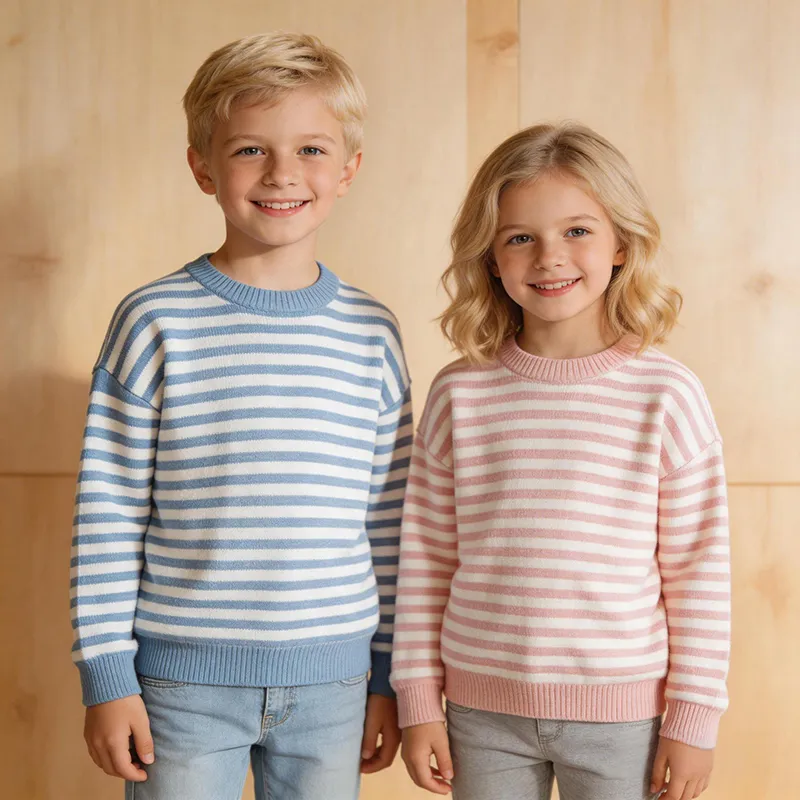
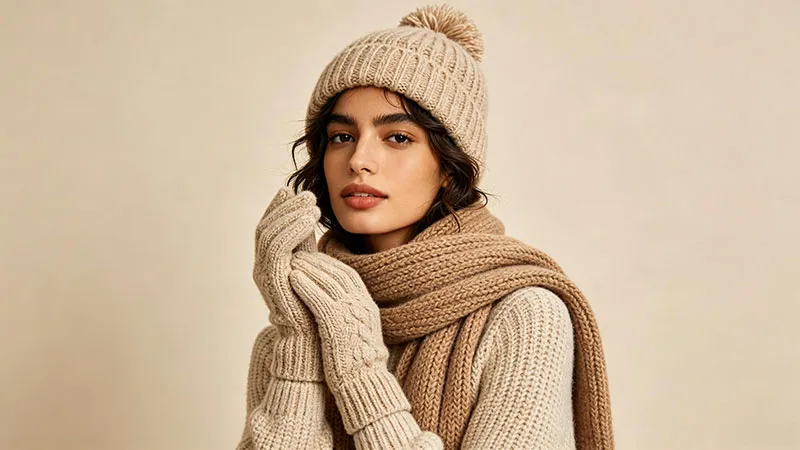
我們的針織工廠可為需要客製產品開發、自有品牌方案及穩定大貨生產的品牌,製造多元化的毛衣與針織服飾。


關於男裝毛衣OEM的常見問題
你們是直接生產棉質毛衣的工廠,還是貿易商?
我們是位於廣州的直接生產型針織工廠。廣州君馬服飾有限公司為國際品牌、批發商及進口商製造棉質毛衣、羊毛衣、高爾夫毛衣與自有品牌針織服裝,生產流程由工廠直接管理。
ZFong 可以依照我們的設計生產毛衣嗎?
可以。我們可根據設計草圖、Tech Pack、參考樣衣、圖稿或客戶自有概念開發客製毛衣。技術資料越清楚完整,樣品開發就能進行得更快速、更準確。
是否提供自有品牌針織品生產服務?
是的。我們的自有品牌服務可包含客製主標、洗水標、成分標、吊牌、Logo 工藝、品牌包裝,以及依照銷售需求完成成品整備。
是否能承接小量與大批量毛衣訂單?
可以。合適的專案可先由樣品及較低 MOQ 起步,後續再擴展為穩定、可重複的大貨生產。我們會依設計、紗線、數量及交期規劃合適的生產方案。
客製毛衣的最低訂購量是多少?
一般情況下,每款最低訂購量由 100 件起。實際 MOQ 會依款式結構、紗線種類、顏色數量及工藝與後整要求而定。
樣品開發需要多久?
在款式、紗線、顏色及技術細節確認後,毛衣樣品通常約需 7–14 個工作天。如涉及複雜組織、特殊工藝或訂製染紗,開發時間可能相應延長。
Submit Information
Looking for a reliable supplier? Sweaters manufacturer for brands.
Prefer direct email?
Send your inquiry to: [email protected]
索取客製針織品報價
正在為您的品牌尋找可靠的 OEM/ODM 針織製造商嗎?
Email:[email protected]
WhatsApp:+86 135 3880 8342
Tel:+86 135 3880 8342
Address:No.27 Guangxing Road, Nansha District, Guangzhou, Guangdong, China
Français |
Español |
Italiano |
日本語 |
한국어 |
Português |
Nederlands |
Русский |
繁體中文 |
Deutsch |
Svenska |
Ελληνικά |
Türkçe |
Čeština |
Magyar |
Polski |
Română |
Norsk |
Dansk |
Suomi |
Íslenska |
Català |
Български |
Slovenčina |
Српски |
Hrvatski |
Gaeilge |
Lëtzebuergesch |
Malti |
Shqip |
Eesti |
Latviešu |
Lietuvių |
Slovenščina |
Euskara |
Galego |
Frysk |
Cymraeg |
Occitan |
Scots |
Romani |
English (New Zealand)